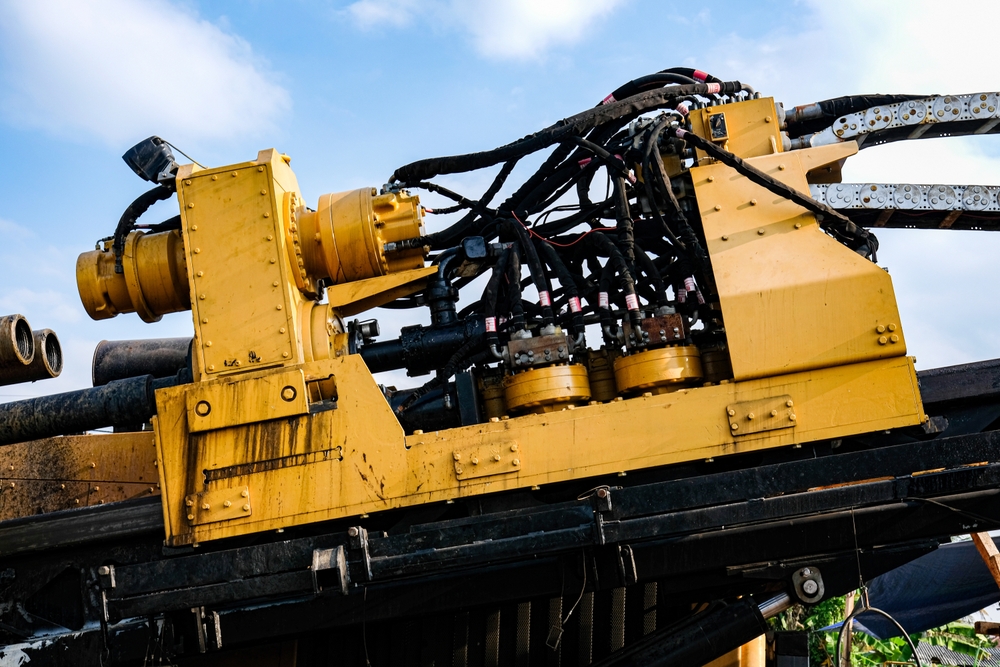
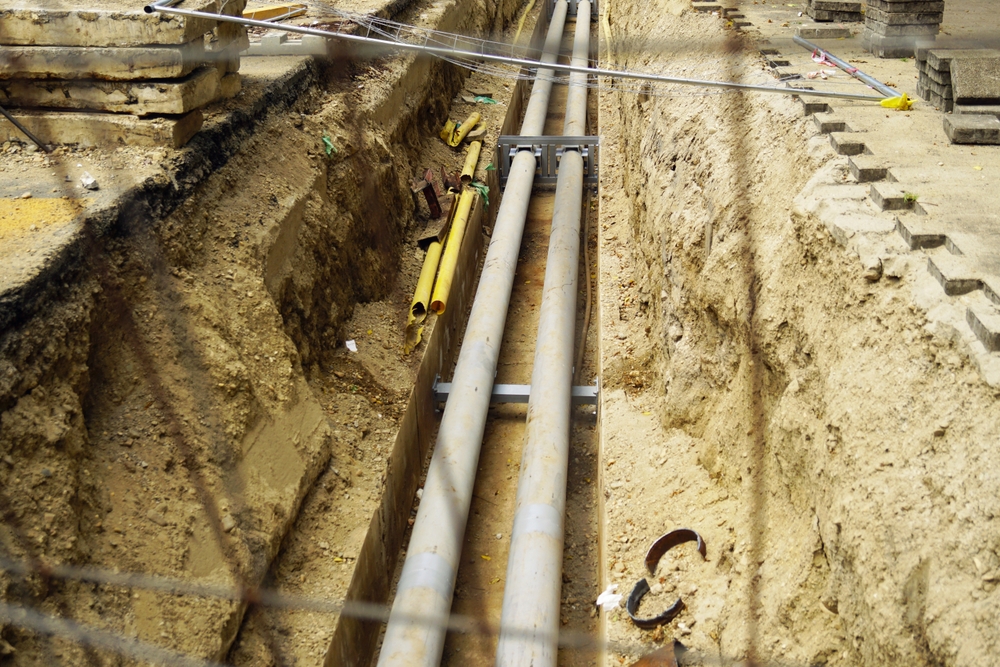
When it comes to installing underground utilities without disrupting the surface, horizontal directional drilling (HDD) has become a go-to solution.
From fiber optic lines to water and gas pipelines, HDD allows contractors to install infrastructure efficiently while minimizing impact on roads, landscapes, and existing structures.
But what exactly is HDD and how does it work?
What Is Horizontal Directional Drilling?
Horizontal Directional Drilling (HDD) is a trenchless construction method used to install underground utilities with minimal surface disruption.
Instead of digging a traditional trench, HDD involves drilling a guided path beneath the ground and pulling utility lines through it.
The result: less damage, faster installation, and a cleaner job site.
Why HDD Is Used in Modern Construction
HDD is especially useful in areas where traditional excavation isn’t practical or would cause significant disruption.
Common Applications:
- Fiber optic and telecommunications lines
- Water and sewer pipelines
- Gas and electrical lines
- Road, river, or railway crossings
It’s ideal for projects that require precision and minimal environmental impact.
How Horizontal Directional Drilling Works
HDD is a multi-step process that requires specialized equipment and expertise.
Step 1: Pilot Hole Drilling
The process begins with drilling a small, guided pilot hole along a predetermined path.
Using advanced tracking technology, operators can:
- Control the direction and depth of the drill
- Navigate around obstacles
- Maintain precise alignment
Accuracy at this stage is critical for the entire project.
Step 2: Hole Enlargement (Reaming)
Once the pilot hole is complete, it’s gradually widened to accommodate the utility line.
This is done using a reamer, which enlarges the hole to the required diameter.
The size of the hole depends on the type and size of the pipe or conduit being installed.
Step 3: Pullback Installation
After the hole is properly sized, the utility line is attached to the drill and pulled back through the borehole.
This step:
- Positions the pipe or conduit underground
- Ensures a secure and continuous installation
The entire process is completed without the need for open trenches.
Key Benefits of HDD
Horizontal directional drilling offers several advantages over traditional excavation methods.
Minimal Surface Disruption
- No need to dig up roads, sidewalks, or landscaping
- Ideal for urban or environmentally sensitive areas
Cost Efficiency
- Reduced restoration and repair costs
- Faster project timelines
Precision and Flexibility
- Ability to navigate around obstacles
- Suitable for complex installations
Environmental Benefits
- Less soil disturbance
- Reduced impact on surrounding ecosystems
When Is HDD the Right Choice?
HDD is typically the best option when:
- Surface disruption must be minimized
- The project involves crossing under roads, waterways, or structures
- Traditional trenching would be too costly or impractical
It’s a smart solution for modern infrastructure projects.
Expertise Matters in HDD Projects
While HDD offers many benefits, it requires experienced professionals to execute properly.
A successful project depends on:
- Accurate planning and design
- Skilled equipment operation
- Knowledge of soil conditions and site challenges
Choosing the right contractor is key to ensuring a smooth and successful installation.
A Smarter Way to Install Underground Utilities
Horizontal directional drilling has transformed the way underground utilities are installed,offering a cleaner, more efficient alternative to traditional methods.
At Unlimited Underground, we specialize in HDD services designed to deliver precision, reliability, and minimal disruption. Whether you’re working on a large infrastructure project or a targeted installation, our team has the expertise to get the job done right.
Contact Unlimited Underground today to learn more about our horizontal directional drilling services.