Municipal underground cabling projects require careful planning around installation methods, right-of-way permitting, conduit selection, and future capacity. Success depends on choosing the right boring or trenching technique for the site conditions—and partnering with an experienced underground utility contractor who understands code compliance and public infrastructure demands.
Underground cabling projects for municipalities carry a weight that private jobs rarely do. When a city runs fiber, power, or communication lines beneath its streets, the work touches public safety, taxpayer budgets, and infrastructure that must last for decades. One overlooked permit or an undersized conduit can stall a project for months or cost far more to fix later.
Why Are Municipal Underground Cabling Projects Unique?
Municipal cabling differs from residential or commercial work in scale and accountability. A city project often crosses multiple jurisdictions, runs alongside existing utilities, and must comply with public infrastructure standards that private jobs never encounter.
Public roads, sidewalks, and rights-of-way add layers of coordination. Traffic control, resident notification, and utility locating all factor into the timeline. Municipal projects also serve the public for the long haul—fiber or power lines installed today may need to support demand 20 or 30 years from now. That means every decision, from conduit size to trench depth, carries lasting consequences.
Because these projects are funded by taxpayers, transparency and documentation matter. Municipal managers must justify costs, meet code requirements, and prove the work was done right. This raises the bar for both planning and execution.
Which Installation Method Is Best: Trenching, Directional Boring, or Missile Boring?
Choosing the right installation method is one of the most important decisions in any municipal cabling project. Each approach has clear advantages depending on site conditions, surface obstacles, and budget.
Standard Trenching
Trenching involves digging an open channel to lay cable or conduit, then backfilling. It works well in open areas with few obstructions and offers straightforward access for inspection. Trenching is often the most cost-effective option for long, unobstructed runs. The trade-off is surface disruption—streets, sidewalks, and landscaping must be restored, which adds time and cost in developed areas.
Horizontal Directional Drilling (HDD)
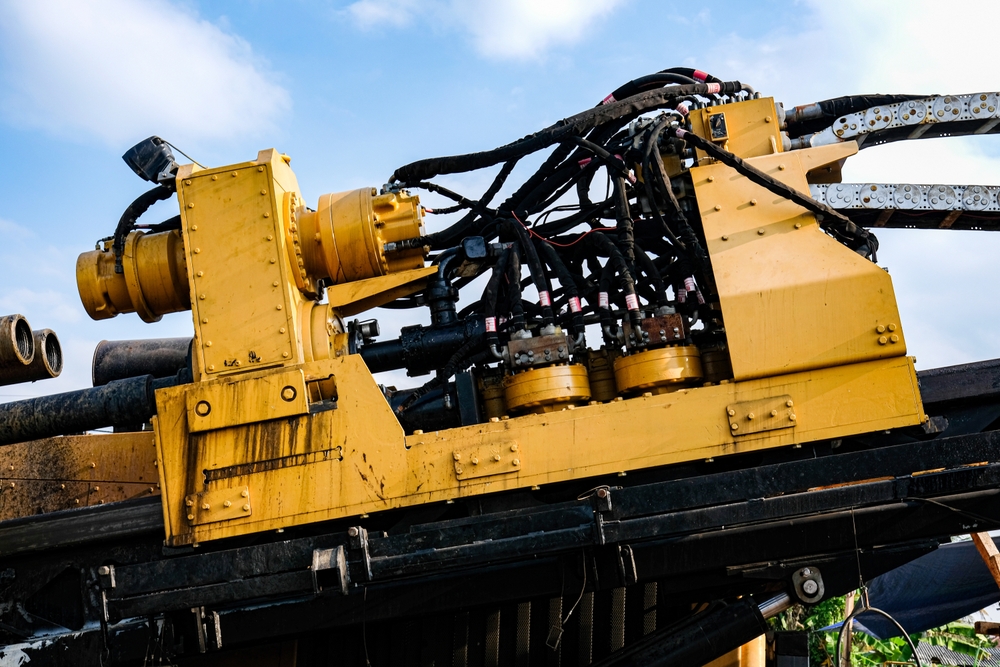
Horizontal directional drilling installs cable underground without a continuous open trench. A steerable drill bores a path beneath roads, waterways, or existing utilities, then pulls the conduit through. HDD is ideal for crossing busy streets, protecting mature trees, or working in areas where surface disruption is unacceptable. It costs more per foot than trenching but often saves money overall by avoiding extensive surface restoration.
Missile Boring
Missile boring uses a pneumatic tool to create a bore path for shorter, straight runs. It is a fast, economical choice for crossing under driveways, sidewalks, and smaller roads. For municipal projects with many short crossings, missile boring can significantly reduce both cost and surface damage.
Choose trenching if you have long, open runs and minimal surface obstacles. Choose HDD if you must cross roads, waterways, or protect surface features. Choose missile boring if you have shorter, straight crossings under paved surfaces.
How Do Right-of-Way and Permitting Challenges Affect Cabling Projects?
Right-of-way access and permitting are frequent sources of delay in municipal work. Before any digging begins, projects typically require permits from local, county, or state agencies—and sometimes all three.
Each jurisdiction may set its own rules for trench depth, restoration standards, and traffic management. Coordination with existing utility owners is also essential, since gas, water, sewer, and communication lines already occupy much of the underground space. Missing a single approval can halt a project and expose the municipality to fines or liability.
Experienced contractors build permitting timelines into the project schedule from day one. They know which agencies to contact, what documentation to prepare, and how to sequence approvals so crews are not left waiting.
What Conduit and Cable Types Should Municipalities Choose?
Conduit and cable selection directly affects a project’s lifespan and reliability. The right choice depends on what the cable carries, the soil conditions, and future needs.
- Conduit material: HDPE (high-density polyethylene) is popular for its durability and flexibility, especially in directional boring. PVC conduit is common for straightforward runs where rigidity is acceptable.
- Cable type: Fiber-optic cable dominates municipal communication and broadband projects, while power cabling requires proper insulation and depth ratings.
- Protective measures: Warning tape, tracer wire, and proper burial depth help protect cables and make future locating easier.
Selecting quality materials up front reduces the risk of costly repairs and extends the useful life of the installation.
How Should Municipalities Plan for Future Capacity and Scalability?
Underground infrastructure is expensive to install and disruptive to replace. Smart municipal planning looks beyond current needs and builds in room to grow.
Installing spare conduit—often called “dark” or empty conduit—lets a city add cabling later without new excavation. This approach is far cheaper than reopening streets years down the road. Broadband demand, smart-city technology, and population growth all point toward rising capacity needs, so oversizing conduit today is a sound investment.
Documenting exact cable and conduit locations with accurate as-built records also pays off. When future projects arise, precise records save time and reduce the risk of damaging existing lines.
What About Safety, Code Compliance, and Utility Locating?
Safety and compliance are non-negotiable in municipal work. Before excavation, crews must call 811 to have existing utilities marked—a legal requirement across Maryland, Delaware, Pennsylvania, and Virginia. Striking an unmarked gas or power line can cause injury, service outages, and serious liability.
Code compliance covers burial depths, separation from other utilities, and restoration standards. Traffic control plans protect both workers and the public in active roadways. A reputable contractor follows OSHA safety standards, maintains proper equipment, and documents compliance at every stage.
Utility locating is not a one-time task. As crews progress, they verify markings and adjust as needed to avoid conflicts with existing infrastructure.
How Do You Choose an Experienced Underground Utility Contractor?
The contractor you select shapes the outcome of the entire project. Look for a partner with a proven track record in municipal and public infrastructure work, along with the equipment and crews to match your project’s scale.
Key qualities to evaluate include:
- Experience: A long history in underground utility construction signals reliability. Unlimited Underground LLC brings more than 20 years of industry experience to Mid-Atlantic projects.
- Method versatility: A contractor who offers trenching, HDD, and missile boring can recommend the best method for each situation rather than forcing one approach.
- Capacity: Multiple crews allow a contractor to handle large or multi-site projects without delay. Unlimited Underground LLC operates 10 three-man crews across Maryland, Delaware, Pennsylvania, and Virginia.
- Compliance focus: Choose a contractor that prioritizes permitting, safety, and code adherence from the start.
A versatile, experienced contractor helps municipalities avoid costly mistakes and keeps projects moving on schedule.
Building Infrastructure That Lasts
Municipal underground cabling is a long-term investment in a community’s future. The choices made during planning—installation method, conduit selection, permitting strategy, and future capacity—determine how well that investment serves residents for decades. Getting these decisions right requires both careful planning and an experienced partner who understands the demands of public infrastructure.
If your municipality has an underground cabling project on the horizon, Unlimited Underground LLC is ready to help. As a family-owned Mid-Atlantic contractor with 20+ years of experience, we bring the expertise, equipment, and crews to deliver quality work on time. Contact Unlimited Underground LLC today to discuss your next project.